


Building a Pakistani Pantry from Scratch
The essential shopping list for stocking a complete desi kitchen.
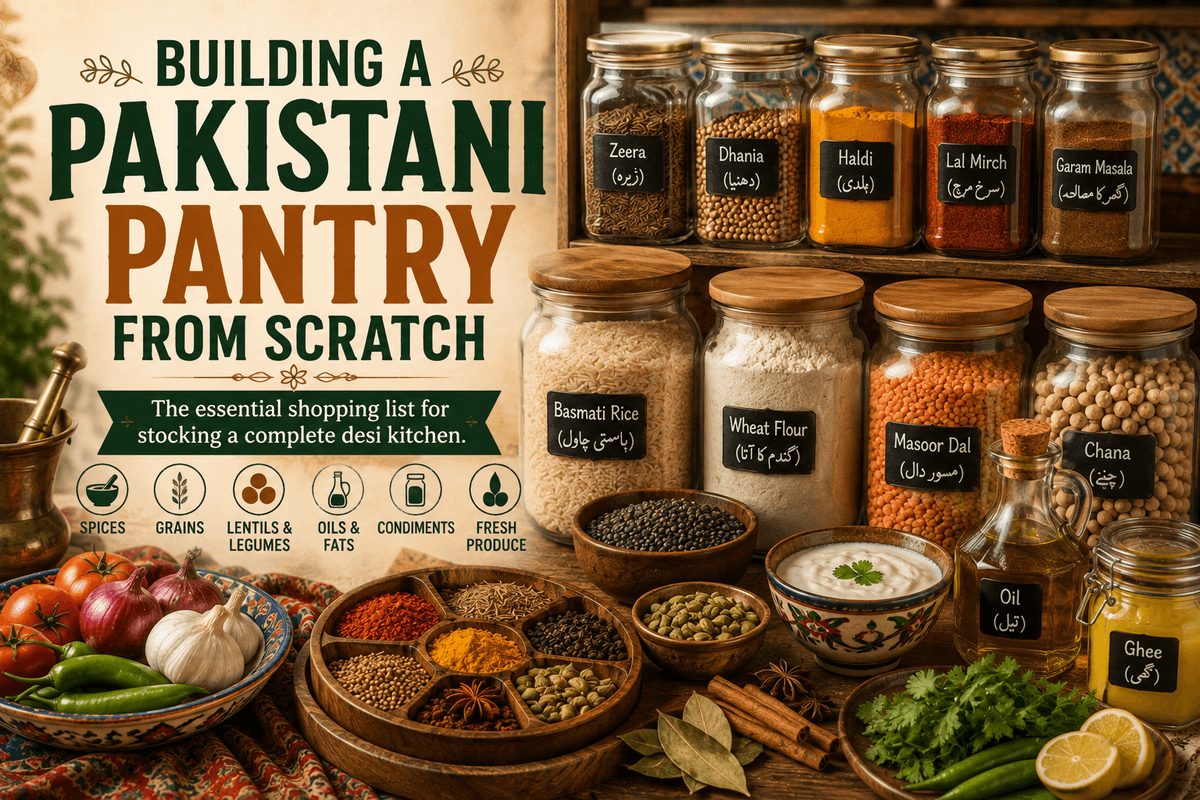
Building a Pakistani Pantry from Scratch
The culinary landscape of Pakistan is as diverse as its culture, offering an array of flavors, spices, and ingredients that can transform any dish into a delightful experience. Building a Pakistani pantry from scratch may seem daunting, but it is an enriching journey that connects you to the heart of Pakistani cuisine. In this comprehensive guide, we'll delve into essential ingredients, their cultural significance, and practical tips to help you create a well-stocked pantry.
Understanding the Basics of a Pakistani Pantry
A well-stocked pantry is the cornerstone of efficient cooking. In Pakistani cuisine, the pantry is filled with staples that not only enhance flavors but also serve as the building blocks for various traditional dishes. Here, we'll explore the key categories of ingredients you need:
- Spices
- Grains
- Lentils and Legumes
- Oils and Fats
- Condiments
- Fresh Produce
Essential Spices for your Pakistani Pantry
Spices are the soul of Pakistani cooking. They add depth and complexity to dishes. Below is a list of essential spices along with their Urdu names, uses, and storage tips.
-
Cumin (زیرہ)
Ground cumin or whole seeds are used in almost every dish, adding a warm, earthy flavor. Store in an airtight container away from light.
-
Coriander (دھنیا)
Ground coriander lends a citrusy tone. Whole seeds have a longer shelf life; crush them as needed.
-
Turmeric (ہلدی)
Known for its vibrant yellow hue, turmeric is a key ingredient in curries. Use about 1 teaspoon for a standard curry.
-
Red Chili Powder (سرخ مرچ پاؤڈر)
This spice can vary in heat; use ½ to 1 teaspoon based on your preference.
-
Garam Masala (گھر کا مصالحہ)
A blend of spices, typically added towards the end of cooking for a fragrant finish. About 1 teaspoon is usually sufficient.
-
Black Pepper (کالی مرچ)
Essential for seasoning, use freshly ground black pepper for the best flavor. Start with ¼ teaspoon in most dishes.
-
Cardamom (الائچی)
Green cardamom is often used in biryanis and sweet dishes. Use whole pods or ground form based on the dish.
Grains: The Foundation of Pakistani Meals
Grains are vital for providing sustenance in the form of carbohydrates. Here are the key grains you should stock up on:
-
Basmati Rice (باسمتی چاول)
The preferred rice for biryanis and pilafs. For best results, rinse 1 cup of rice under cold water until the water runs clear, soak for 30 minutes, and cook in 2 cups of water.
-
Wheat Flour (گندم کا آٹا)
Used for making roti and parathas. Whole wheat flour is preferred; store in a cool, dry place.
-
Semolina (سویا)
Used in desserts and savory dishes alike. Store in an airtight container to avoid moisture.
Lentils and Legumes: Protein Powerhouses
Lentils and legumes are rich in protein and a staple in Pakistani households. Below are some crucial varieties:
-
Red Lentils (مسور دال)
Cooks quickly and is often used in daals. Simmer in water for about 20-25 minutes.
-
Chickpeas (چنے)
Used in curries and salads. Dried chickpeas should be soaked overnight and boiled for 1-2 hours.
-
Black Gram (مُشک دال)
A staple in Pakistani cuisine, it requires soaking for 8 hours and then boiling for 1-1.5 hours.
Oils and Fats: Essential for Cooking
Different oils impart unique flavors and are used in various dishes:
-
Vegetable Oil (سبزیوں کا تیل)
Commonly used for frying and cooking. It has a high smoke point and neutral flavor.
-
Ghee (گھی)
A traditional clarified butter, essential for rich biryanis and desserts. Use sparingly as it is high in calories.
Condiments: Adding Flavor and Texture
Condiments help to elevate the dish's taste. Consider keeping these in your pantry:
-
Chili Sauce (چلی سوس)
Great for dipping and enhancing the flavor of various dishes.
-
Yogurt (دہی)
Used in marinades, side dishes, and desserts. Opt for plain, unsweetened yogurt.
Fresh Produce: The Heart of Pakistani Cooking
Fresh produce adds freshness and color to your dishes. Stock up on:
-
Onions (پیاز)
The base of most Pakistani dishes; use both red and white varieties.
-
Tomatoes (ٹماٹر)
Essential for curries and gravies. Use ripe, red tomatoes for the best flavor.
-
Coriander Leaves (دھنیا)
Used as a garnish and flavor enhancer. Fresh is best; store in the refrigerator.
Cultural History and Regional Variations
Pakistani cuisine has evolved over centuries, influenced by various cultures including Indian, Persian, and Central Asian. Each region has its own specialties:
- Punjab: Known for rich, creamy dishes like butter chicken and daal makhani.
- Sindh: Features spicy and tangy flavors, often incorporating tamarind and yogurt.
- Khyber Pakhtunkhwa: Famous for meat dishes, especially kebabs and karahis.
- Balochistan: Known for simpler, hearty meals often centered around bread and meat.
Common Mistakes When Building a Pakistani Pantry
Building a pantry is often fraught with mistakes. Here are some common pitfalls to avoid:
- Buying in Bulk: While it may seem economical, spices lose potency over time. Buy in small quantities to ensure freshness.
- Ignoring Storage Conditions: Store spices and grains in a cool, dry place to prevent spoilage.
- Neglecting Regional Ingredients: Each region has unique ingredients that can elevate your dishes. Explore and experiment!
Frequently Asked Questions (FAQs)
What is the most important ingredient in Pakistani cooking?
The most important ingredient can vary by dish, but spices such as cumin and coriander are often seen as foundational.
How can I make my spices last longer?
Store spices in airtight containers in a cool, dark place. Whole spices last longer than ground ones.
Can I substitute fresh herbs with dried ones?
Yes, but use less dried herbs than fresh, as dried herbs are more concentrated in flavor.
How do I know if my spices are still good?
Smell your spices. If they lack fragrance, it's time to replace them.
What dishes can I make with my new pantry?
With a well-stocked pantry, you can make a variety of dishes like biryani, kebabs, curry, and various lentil soups.
Conclusion
Building a Pakistani pantry from scratch is a rewarding experience that allows you to explore the rich flavors of Pakistan. With the right ingredients and a little guidance, you'll be well on your way to creating authentic and delicious meals that pay homage to this vibrant culture. Happy cooking!
Get the Full Meal Plan
Join 10,000+ home cooks. Get a free 7-day Pakistani meal plan + new recipes weekly.