


Teaching Kids Pakistani Cooking
Age-appropriate ways to involve children in the kitchen and pass on traditions.
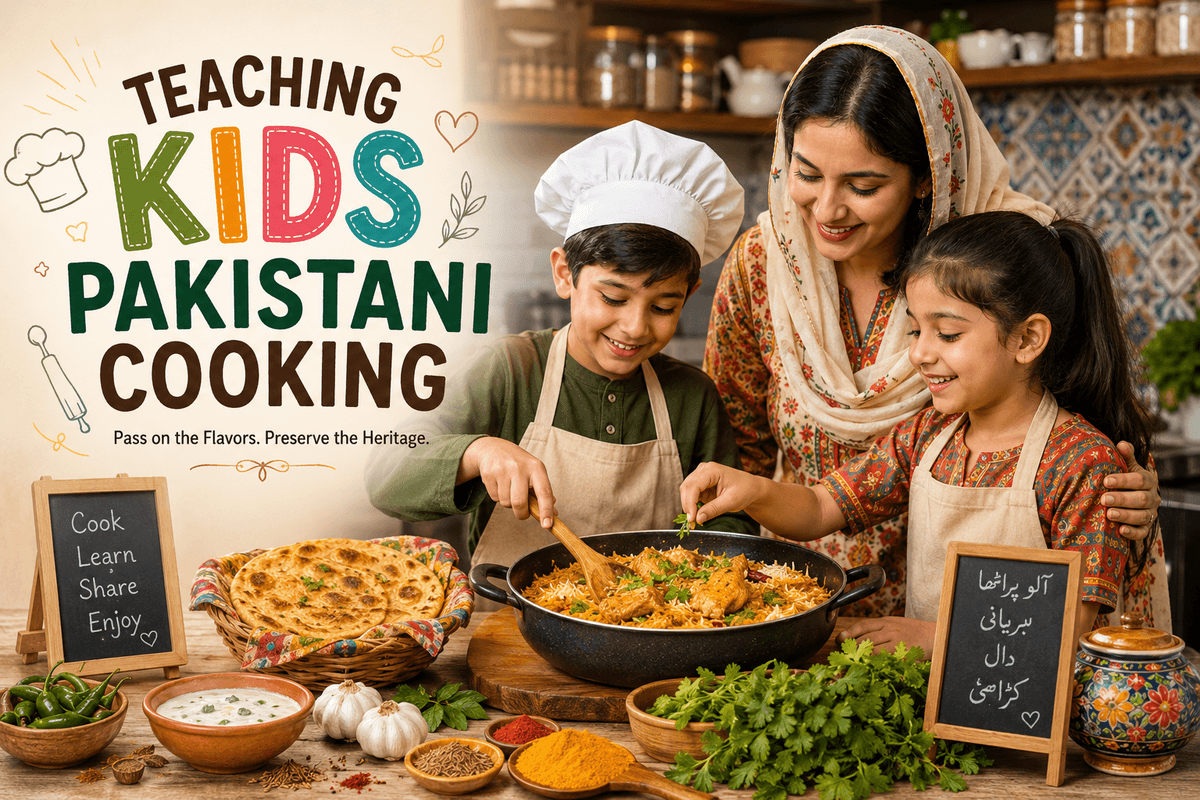
Teaching Kids Pakistani Cooking
Introducing children to the art of cooking is not just about preparing meals; it’s about instilling a deep appreciation for culture, history, and flavors. Pakistani cuisine is rich, diverse, and offers a plethora of opportunities to teach kids valuable cooking skills. This comprehensive guide will explore how to make cooking fun and engaging for children while focusing on traditional Pakistani recipes.
Understanding Pakistani Cuisine
Pakistani cuisine is a fusion of various culinary traditions influenced by the regions of Punjab, Sindh, Khyber Pakhtunkhwa, and Balochistan. Each region brings its unique flavors and ingredients, making Pakistani cooking a colorful palette of spices, herbs, and textures. Teaching kids about these regional variations can deepen their understanding of the food they cook.
Cultural Significance
Food in Pakistani culture is often associated with family gatherings, celebrations, and hospitality. When children learn to cook traditional dishes, they not only learn recipes but also the stories behind them, fostering a sense of pride in their heritage.
Essential Ingredients for Pakistani Cooking
Before diving into cooking, it’s important to familiarize kids with essential Pakistani ingredients. Here’s a list of commonly used ingredients with their Urdu names:
- Basmati Rice (چاول) - A long-grain rice variety that is a staple in many dishes.
- Wheat Flour (آٹا) - Used for making chapatis and parathas.
- Lentils (دالیں) - Various types such as Masoor (مسور), Moong (مونگ), and Chana (چنا) are used in soups and main courses.
- Chicken (مرغی) - A primary protein source in numerous dishes like Biryani and Karahi.
- Yogurt (دہی) - Commonly used in marinades and as a side dish.
- Spices (مصالحے) - Such as cumin (زیرہ), coriander (دھنیا), turmeric (ہلدی), and garam masala (گھر مسالا).
- Ginger (ادرک) and Garlic (لہسن) - Fundamental aromatics in Pakistani cooking.
- Green Chilies (سبز مرچیں) - For adding heat to dishes.
- Onions (پیاز) - Used in almost every savory dish.
- Tomatoes (ٹماٹر) - A base ingredient for many curries.
Kid-Friendly Pakistani Recipes
Now that you and your kids are familiar with the essential ingredients, it’s time to dive into some kid-friendly recipes that are simple yet delicious.
1. Chicken Biryani (بریانی)
Ingredients:
- 2 cups Basmati Rice (چاول)
- 500g Chicken (مرغی), cut into pieces
- 1 large Onion (پیاز), thinly sliced
- 2 Tomatoes (ٹماٹر), chopped
- 1/2 cup Yogurt (دہی)
- 2-3 Green Chilies (سبز مرچیں), slit
- 1 tsp Ginger-Garlic Paste (ادرک لہسن پیسٹ)
- 1 tsp Turmeric (ہلدی) powder
- 1 tsp Red Chili (لال مرچ) powder
- 1 tsp Garam Masala (گھر مسالا)
- 4 cups Water
- Salt to taste
- Oil for cooking
Cooking Instructions:
- Wash the Basmati rice thoroughly and soak it in water for 30 minutes.
- In a large pot, heat oil and add the sliced onions. Sauté until golden brown.
- Add the ginger-garlic paste and green chilies, cooking for another minute.
- Stir in the chicken pieces and cook until they turn white.
- Add the tomatoes, yogurt, turmeric, red chili powder, and salt. Cook until the chicken is tender.
- Add 4 cups of water and bring it to a boil.
- Once boiling, add the soaked rice. Cook until the rice is 70% done.
- Cover the pot with a lid and let it simmer on low heat for 20 minutes.
- Turn off the heat and let it rest for another 10 minutes before serving.
2. Aloo Paratha (آلو پراٹھا)
Ingredients:
- 2 cups Wheat Flour (آٹا)
- 2 large Potatoes (آلو), boiled and mashed
- 1 small Onion (پیاز), finely chopped
- 2-3 Green Chilies (سبز مرچیں), chopped
- 1 tsp Cumin (زیرہ) seeds
- Salt to taste
- Water for kneading
- Oil or Ghee for cooking
Cooking Instructions:
- In a bowl, mix the wheat flour with a pinch of salt and enough water to make a soft dough. Let it rest for 20 minutes.
- In another bowl, combine the mashed potatoes, onions, green chilies, cumin seeds, and salt to make the filling.
- Divide the dough into equal-sized balls. Roll each ball into a small circle.
- Place a spoonful of the potato filling in the center and fold the edges to seal it.
- Roll the stuffed dough ball gently into a flat circle.
- Heat a tava (griddle) and cook the paratha on both sides, applying oil or ghee until golden brown.
Making Cooking Fun for Kids
Cooking with kids can be a delightful bonding experience. Here are some tips to make the process enjoyable:
- Hands-On Activities: Encourage kids to participate in measuring, mixing, and kneading. The tactile experience can be very engaging.
- Storytelling: Share stories about the origins of the dishes you’re preparing. This adds a cultural context that makes cooking more meaningful.
- Creative Presentation: Let kids arrange the food on the plate. This fosters creativity and makes the dish visually appealing.
- Recipe Card: Create a colorful recipe card that kids can read from while cooking. This helps with reading skills and recipe comprehension.
Common Mistakes to Avoid
Even experienced cooks make mistakes. Here are some common pitfalls to avoid when cooking with kids:
- Overcomplicating Recipes: Start with simple recipes that don’t require too many steps.
- Skipping Prep Work: Prepare all ingredients beforehand to keep the cooking process smooth and organized.
- Neglecting Safety: Always supervise children when using knives, stove tops, or sharp tools.
- Not Allowing Time: Allow plenty of time for cooking, as children may take longer to follow instructions.
Exploring Regional Variations
Pakistani cuisine varies significantly by region. Here’s a brief overview:
- Punjab: Known for its rich curries and Biryani, Punjab offers hearty meals often accompanied by naan and lassi.
- Sindh: Sindhi cuisine is famous for its spice blends and dishes like Sindhi Biryani and Sindhi Karhi.
- Khyber Pakhtunkhwa: Dishes here are often meat-heavy, with specialties like Peshawari Naan and Chapli Kebab.
- Balochistan: Known for Sajji (marinated whole lamb) and Kaak (bread cooked in clay ovens).
Frequently Asked Questions (FAQ)
1. What age is appropriate to start teaching kids cooking?
Children as young as five can start learning basic skills like washing vegetables and stirring. As they grow older, they can tackle more complex tasks.
2. How can I make recipes healthier for kids?
Consider reducing the amount of oil or sugar in recipes and incorporating more vegetables. You can also use whole grain flours instead of white flour.
3. What if my child is picky about food?
Involve them in the cooking process, and encourage them to try new ingredients. Sometimes, kids are more willing to eat what they help prepare.
4. How do I ensure the kitchen is safe for kids?
Always supervise children closely, keep sharp objects out of reach, and teach them about kitchen safety rules, like not touching hot surfaces.
5. Can I use store-bought ingredients?
Yes, using store-bought ingredients can save time. However, encourage kids to learn about fresh alternatives and their benefits.
Conclusion
Teaching kids to cook Pakistani food is a wonderful way to bond, share cultural heritage, and instill life skills. By making cooking fun and engaging, we can inspire the next generation of food lovers. So gather your ingredients, roll up your sleeves, and embark on this flavorful journey together!
Get the Full Meal Plan
Join 10,000+ home cooks. Get a free 7-day Pakistani meal plan + new recipes weekly.